
A large custom umbrella order is not simply a small order multiplied by fifty. Each change in quantity, printing, materials or timing affects every later stage. This 2025 project is a useful example because it records both what worked and what did not go according to plan.
Project snapshot: 55,000 promotional umbrellas for Malaysia
| Country | Malaysia |
|---|---|
| Customer relationship | Approximately 6-7 years |
| Project relationship | The Malaysian customer secured a local government promotional project; Hand in Hand Umbrella served as the customer’s manufacturing supplier |
| Product | 27-inch × 8-rib custom golf promotional umbrella |
| Quantity | Approximately 55,000 units |
| Order value | More than RMB 1 million |
| Printing | Multicolor rotary printing |
| Plate-making method | Engraved printing cylinders |
| Original overall lead-time plan | Approximately two months |
| Time consumed by early adjustments | Approximately 20 days |
| Spare umbrellas | 50 units |
| Additional loss absorbed by us | More than RMB 50,000 |
| Follow-up status | The customer is discussing and preparing a possible order of approximately 10,000 units. It is not yet a confirmed order. |
How the six-to-seven-year relationship began
The relationship started with a time-sensitive sample. During the first project, the buyer had confirmed the basic umbrella specification but was due to fly back to Malaysia the next day. If the sample missed the flight, international courier transit would add cost and several more days to the approval process.
We coordinated the sampling work immediately and delivered the completed sample before departure. That first order was subsequently placed with us, and the buyer continued to return with orders ranging from several thousand to one or two tens of thousands of umbrellas. The 55,000-unit project was therefore built on several years of order-by-order cooperation rather than one quotation.
Why the printing method changed when quantity increased
The early estimate was about 30,000 umbrellas. For a smaller quantity with a complex multicolor design, digital printing was initially considered because it is flexible and does not require large engraved cylinders.
When the confirmed volume rose to more than 50,000 and approached 55,000 units, the cost and efficiency calculation changed. Digital printing remains useful for sampling and short runs, but at this scale its per-unit cost would be much higher than a continuous bulk-printing process. The bulk plan was therefore changed to multicolor rotary fabric printing.
This decision reduced the production cost at volume, but it introduced a longer and more technical pre-production stage.
Why multicolor rotary printing requires engraved cylinders
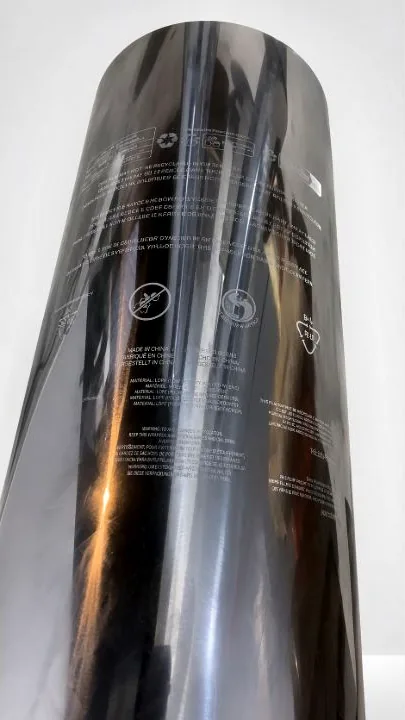
Rotary fabric printing transfers each ink color through a separate engraved cylinder. In this project, the cylinders were close to two metres long. The artwork for each color had to be separated, engraved and aligned so the colors could be printed in sequence on the umbrella fabric.
The initial estimate called for four cylinders. After color and artwork adjustments, the final plan required five. Every cylinder-related revision added both time and cost, unlike a simple digital-file update.
How 20 days of adjustments compressed the production schedule
The original overall plan was approximately two months. Quantity changes, the switch from digital to rotary printing, cylinder revisions and color confirmation consumed about 20 days before the bulk-production plan was finally locked.
That left only a little over 40 days for a 55,000-unit order. The remaining work included material purchasing, printing, cutting, sewing, frame assembly, handle installation, inspection, packing and container loading.
What a 55,000-unit umbrella order tests
The production challenge was not one assembly line. It was the synchronization of the whole supply chain:
- umbrella-frame and fabric procurement;
- engraved-cylinder production and multicolor rotary printing;
- printed-panel cutting and canopy sewing;
- frame assembly and handle installation;
- in-process and finished-product inspection;
- packing, container scheduling and international logistics.
Once the final technical plan was approved, we moved cylinder preparation, raw-material purchasing and production planning forward in parallel. Daily output targets and the handoff between processes had to be coordinated so one delayed stage did not stop all later work.
Can a digital sample exactly match rotary-printed bulk fabric?
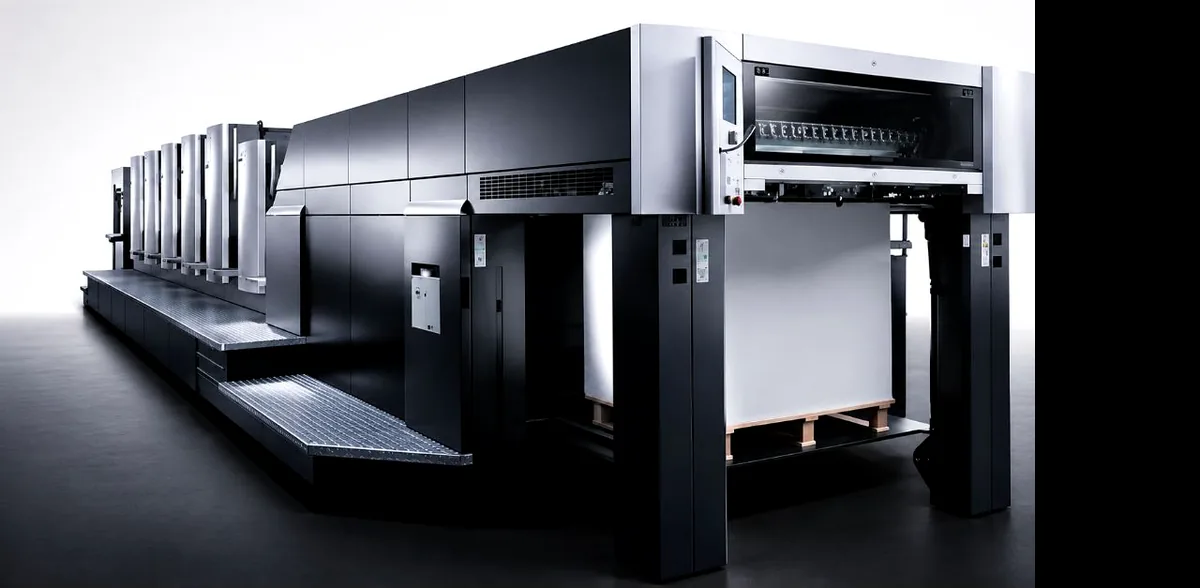
No responsible supplier should promise a 100% identical result when the sample and bulk fabric use different printing systems. Digital printing outputs the image directly, while rotary printing builds the image by applying separate inks through separate cylinders.
Even with the same design file, reasonable differences can appear in color depth, saturation and tonal layering. For large-volume rotary work, buyers and suppliers should agree on the acceptable color direction and approval standard before continuous printing begins. Adjustments become much more expensive after bulk printing starts.
Production was completed, but delivery ran late
The umbrellas were manufactured and delivered, but the production completion date was about 20 days later than the contract plan. The causes included the earlier quantity change, printing-method decision and cylinder revisions. The experience showed why a large order needs a larger schedule buffer than a routine order.
Ocean-freight costs rose after the delay
The originally booked container cost was a little over RMB 20,000. By the time the goods were ready to ship, the available rate had risen to approximately RMB 30,000-40,000. These figures describe the freight quotation at that time only; they are not current or fixed shipping prices. We absorbed the increase rather than passing all of it to the long-term customer.
Consecutive typhoons delayed the sailing
After the goods reached the logistics warehouse and the container had been arranged, consecutive typhoons disrupted the sailing schedule. The weather-related delay added close to another 20 days. Weather is outside factory control, but the buyer still needs clear communication because the end project has its own delivery and payment timetable.
Why we prepared 50 spare umbrellas
We produced 50 additional umbrellas outside the ordered quantity. The shipment would pass through container loading, sea freight, unloading, road transport and local distribution in Malaysia. A small number of spare units provided insurance against packaging damage, handling loss or urgent replacement needs.
The shipment did experience multiple logistics transfers and some loss. The spare units helped the customer resolve part of that problem without waiting for a small replacement shipment from China.
More than RMB 50,000 in additional loss
Across the compressed production schedule, cylinder revisions, higher freight costs, sailing delays and delivery issues, Hand in Hand Umbrella absorbed more than RMB 50,000 in additional loss. The customer was unhappy about the delay, and the project was not presented as perfect.
However, we continued coordinating the supply chain, communicating with the customer and handling the costs for which we accepted responsibility. Completing a difficult order requires more than describing why a problem occurred; it requires practical decisions that move the project forward.
What the possible 10,000-unit follow-up means
The customer has recently returned to discuss and prepare another requirement of approximately 10,000 umbrellas. This is a current discussion, not a confirmed purchase order and not a completed transaction.
Its significance is more limited but still useful: after a difficult 55,000-unit project, the buyer remained willing to reopen a purchasing conversation. Long-term supplier evaluation often includes honesty, communication and problem handling—not only whether every stage was trouble-free.
What we would lock earlier on the next large order
- Final quantity: a change from 30,000 to 55,000 can alter printing economics, material allocation and production capacity.
- Bulk printing method: digital sampling and rotary bulk printing require different preparation and cost structures.
- Cylinder plan and color standard: artwork separation, the number of cylinders and acceptable color variation should be approved before engraving.
- Production buffer: materials, printing, sewing, assembly, inspection and packing all need contingency time.
- Logistics buffer: freight-rate changes, severe weather and sailing availability should be included in the risk review.
- Spare quantity: long-distance bulk shipments may justify a small agreed allowance for replacements.
So, can an umbrella factory handle large orders?
Yes—but the answer should be supported by more than a daily capacity figure. A factory handling a large custom umbrella order needs the ability to select an appropriate printing process, secure fabric and frames, coordinate several production stages, control quality, manage time and logistics risk, and respond when the original plan changes.
This case proves that Hand in Hand Umbrella completed a promotional umbrella project above 50,000 units. It also records a delayed delivery and the lessons taken from it. That balanced record is more useful to a buyer than a claim that large orders never encounter problems.
Buyers comparing suppliers can review our custom umbrella categories, read our quality-problem case study, explore more buyer guides, or send a project specification for assessment.
Frequently asked questions
Can an umbrella factory handle an order of 55,000 custom umbrellas?
Yes, if the factory can coordinate materials, printing, sewing, assembly, quality control, packing and logistics as one production plan. Hand in Hand Umbrella completed the approximately 55,000-unit project documented here, but the schedule and technical plan for any new order must be assessed separately.
How long does it take to manufacture 55,000 promotional umbrellas?
In this case, the original overall plan was about two months. Early quantity, printing, cylinder and color adjustments consumed about 20 days, leaving only a little over 40 days for bulk production. This is case-specific and should not be treated as a fixed lead time for every 55,000-unit order.
Why did the printing method change when the quantity increased?
Digital printing offered flexibility when the expected quantity was around 30,000. When the quantity increased to approximately 55,000, multicolor rotary printing provided a more suitable cost and efficiency structure for continuous bulk production, although it required engraved cylinders and more pre-production time.
What are engraved cylinders in rotary fabric printing?
They are large cylindrical printing screens or rollers engraved with the color-separated artwork. Each color uses its own cylinder and ink, and the colors are aligned and applied sequentially to the umbrella fabric.
Can a digitally printed sample exactly match rotary-printed bulk production?
Not necessarily. The two processes apply color differently, so reasonable variation in depth, saturation and tonal layering can occur. Buyers should approve the color direction and an acceptance standard before rotary bulk printing begins.
Which stages commonly delay a large umbrella order?
Common risk points include final specification approval, fabric and frame purchasing, plate or cylinder preparation, color confirmation, printing, panel cutting, sewing, assembly, inspection, packing, container booking and international transport.
Why should overseas buyers prepare spare umbrellas?
A small spare quantity can cover individual losses or damage during container loading, sea freight, unloading and local distribution. In this project, 50 spare umbrellas helped address some losses after several logistics transfers.
Has the Malaysian customer already confirmed the new 10,000-unit order?
No. The customer is currently discussing and preparing a possible requirement of approximately 10,000 umbrellas. It has not yet been confirmed as a purchase order.
Planning a large promotional umbrella project?
Send us the expected quantity, umbrella size, artwork, printing requirements, target quality and required delivery date. We can then assess the production method, material plan, printing preparation and practical schedule for your project.