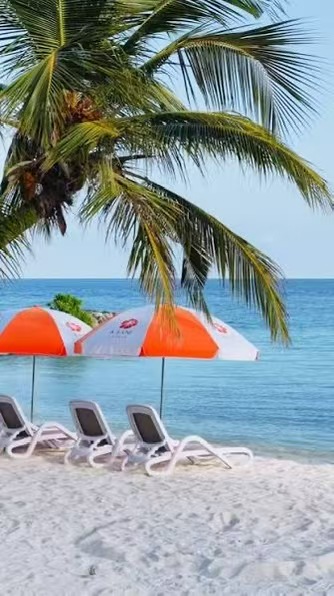
Quick answerChoose a beach umbrella by checking four things together: the open canopy size, the canopy fabric and coating, the frame structure, and the anchoring method. A larger or heavier umbrella is not automatically the right choice. The best specification is the one matched to the site, expected use, branding area, wind exposure and budget.
Large outdoor umbrellas used on beaches, beside pools, at cafés and at promotional events may be described as beach umbrellas, outdoor parasols, patio umbrellas or advertising umbrellas. Because the canopy provides both shade and a large printable area, the product specification affects safety, service life and brand visibility.
Beach umbrella selection at a glance
| Decision | Common options | What the buyer should confirm |
|---|---|---|
| Size | 48, 52, 54, 58 and 60-inch supplier sizes | Actual open diameter, rib length, overall height and packed length in centimetres |
| Canopy | 210D or 420D Oxford fabric; optional sun-protection coating | Fabric construction, coating, colour, printing compatibility and intended exposure |
| Frame | Standard eight-rib, reinforced eight-rib/16-stretcher, or double-rib structure | Rib material, nominal diameter, shaft material, joints and required wind performance |
| Anchoring | Water-filled base, steel tripod, fixed socket or spiral sand anchor | Surface type, site rules, expected wind and whether the base is included |
| Branding | Screen printing or digital printing on one or more panels and the valance | Artwork, colour reference, print area and pre-production approval |
What beach umbrella size should you choose?
Common supplier labels include 48, 52, 54, 58 and 60 inches. A higher number normally means a larger canopy and more shade, but buyers should not approve an order from the size label alone.
Factories and markets do not always describe umbrella size in exactly the same way. Before ordering, ask for the finished open diameter, rib length, centre-pole height and closed length in centimetres. This prevents two products with similar labels from arriving with noticeably different coverage.
Use the larger sizes when greater shade or a stronger visual presence is needed at a beach club, outdoor dining area or branded event. For smaller spaces and easier transport, a more moderate size may be more practical.
210D vs 420D Oxford fabric
Oxford fabric is widely used for outdoor umbrella canopies. In a typical quotation, 210D Oxford is the lighter option, while 420D Oxford is heavier and usually selected when buyers want a more substantial feel and greater durability.
The “D” value describes yarn denier; it does not by itself prove the finished fabric’s UV resistance, waterproofness or service life. Buyers should also confirm fabric weight, weave, coating and colourfastness. When stronger sun protection is required, an additional UV-blocking or light-blocking coating can be specified on the underside.
How strong should the umbrella frame be?
A beach umbrella has a much larger wind-catching surface than a handheld umbrella, so the frame and anchoring system need to be considered together.
Common frame structures
- Standard eight-rib frame: eight main ribs with eight stretchers for ordinary outdoor use.
- Reinforced frame: eight main ribs with 16 supporting stretchers for improved stability.
- Double-rib structure: paired long ribs provide additional support for a large canopy.
Common nominal rib diameters include 4.5, 4.8 and 5.0 mm. A larger diameter generally provides more support, but material, wall thickness, joints and overall geometry also matter. Painted steel remains common. Fibreglass ribs are lighter and flexible, while the centre pole is often painted steel to maintain overall strength.
Safety note: no portable outdoor umbrella should be treated as safe in severe wind. Ask the supplier for the tested or recommended operating conditions, use the correct base, and close the umbrella when conditions exceed its intended use.
Which base or anchor should be used?
The correct fixing method depends on the ground surface and whether the installation is temporary or permanent.
- Water-filled plastic base: portable and convenient for many flat outdoor areas.
- Steel tripod: a practical temporary support where space and site rules allow it.
- Fixed socket: suitable when the venue already provides an engineered mounting point.
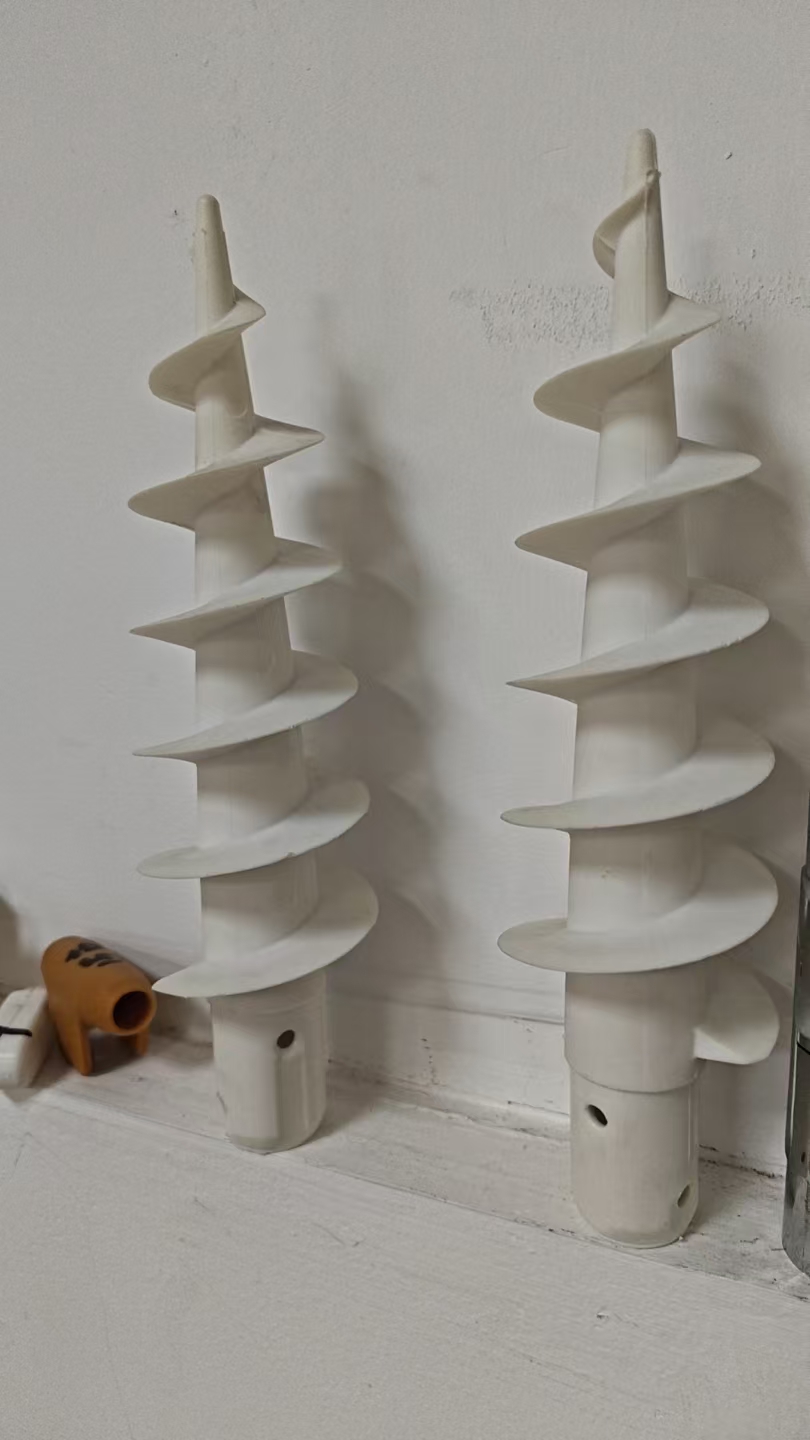
- Spiral sand anchor: screws into sand and is useful for beaches, seaside leisure areas and some camping applications.
Can a beach umbrella be printed with a logo?
Yes. The large canopy is well suited to outdoor branding. A simple logo can often be screen printed, while detailed, multicolour or panel-wide artwork may be better suited to digital printing, depending on the fabric and coating.
Artwork may be placed on one panel, repeated across several panels, or extended to the valance. Before bulk production, confirm the print method, artwork size, colour reference, panel position and an approved sample or digital layout. See our custom umbrella printing methods guide for a process comparison.
What should be included in the purchase specification?
- Finished canopy diameter and overall height
- 210D or 420D Oxford fabric, colour and coating
- Frame structure, rib material and nominal rib diameter
- Centre-pole material and diameter
- Base, tripod, socket or sand anchor
- Logo file, print process, panel positions and colour standard
- Packing method, order quantity and delivery requirements
- Sample approval and the agreed quality inspection standard
Comparing quotations line by line is more reliable than comparing unit prices alone. Our guide to custom umbrella quality versus price explains why the same product name can hide different materials and workmanship.
Frequently asked questions
What is the best size for a beach umbrella?
There is no single best size. Choose according to the required shade area, number of users, site space, wind exposure, transport requirements and branding area. Confirm actual open measurements in centimetres rather than relying only on an inch label.
Is 420D Oxford better than 210D Oxford?
420D is generally heavier and may provide a more substantial, durable canopy. 210D is lighter and can be suitable for normal promotional or leisure use. Coating, construction, colourfastness and intended exposure should also be compared.
Is a sand anchor enough to secure a large umbrella?
It can be useful for temporary installation in suitable sand, but performance depends on the anchor, umbrella size, sand condition and wind. Follow the supplier’s instructions and close or remove the umbrella when conditions become unsafe.
Can the canopy and valance both be printed?
Yes. Logos and artwork can be applied to one or more canopy panels and, where the construction allows, to the valance. Confirm artwork placement and colour before production.
Need a custom beach or advertising umbrella?
Hand in Hand Umbrella’s business coordination team is in Guangzhou, and our production base is in Taoyuan Town, Heshan, Jiangmen, Guangdong. We have worked in custom umbrella manufacturing since 2000. Share the installation site, required size, artwork, quantity and delivery destination, and we can help prepare a suitable specification before quotation.