Buyer Guides / Artwork & Sample Approval
By Aihua Chen | Hand in Hand Umbrella Factory
October 29, 2026 · ARTICLE-0112
For custom umbrella color matching, provide a complete Pantone reference or a mutually approved physical swatch when the shade matters to your brand. A Pantone code is not compulsory for every order, and it does not replace a sample printed on the actual umbrella fabric. Photos, videos and digital mock-ups help explain a design; they are not reliable substitutes for physical color approval.
A recent sampling project with a customer in Kazakhstan illustrates why. After more than 30 rounds of design revisions, a physical sample led to further requests about logo size, silver ink, pouch printing and burgundy color. The project is still in sampling discussions—not a completed delivery or a confirmed production success story.
What happened in the Kazakhstan sampling project?
The initial logo artwork had a three-dimensional visual effect and gradients. This described the graphic appearance, not a raised, three-dimensional emblem. We considered offset/heat-transfer printing, but the small printed size meant that fine details still needed to be checked on the selected fabric using the intended process.
The design was subsequently simplified to a solid white logo with burgundy brand lettering. We worked through placement, dimensions, fabric color and the printing plan. After the customer approved the artwork, a physical sample was made.
To reduce the wait associated with international sample shipping, we first shared photographs and then videos from different angles. The customer asked for a smaller logo, a change from white to silver, two-color rather than one-color pouch printing, and a different burgundy shade.
These requests raised two separate questions: Did the sample fail an agreed specification, or was the specification being changed? A supplier’s failure to meet an approved requirement should not automatically be treated as a chargeable customer revision. New design requirements, however, may involve additional materials, screens, labor and time.
Why are CMYK values or a phone photo not enough?
In this case, the initial color information was mainly CMYK values rather than a complete Pantone reference or a mutually approved physical swatch. Those values are useful design information, but they do not by themselves define how an ink must look on a particular umbrella fabric.
RGB and HEX values describe screen-oriented color; HEX is commonly a way of writing RGB values. CMYK values describe process-color components, but their appearance depends on the color profile, equipment, inks and printing conditions. They are not meaningless—and they are not a universal textile-color formula. Adobe explains why color management uses profiles to handle differences between devices and output conditions. Adobe: color management.
Phone display settings, photography lighting, fabric texture, the fabric’s base color and the selected printing process can all affect the comparison. Use digital files to communicate the design, then agree on the physical standard for critical shades.
Which Pantone reference should buyers provide?
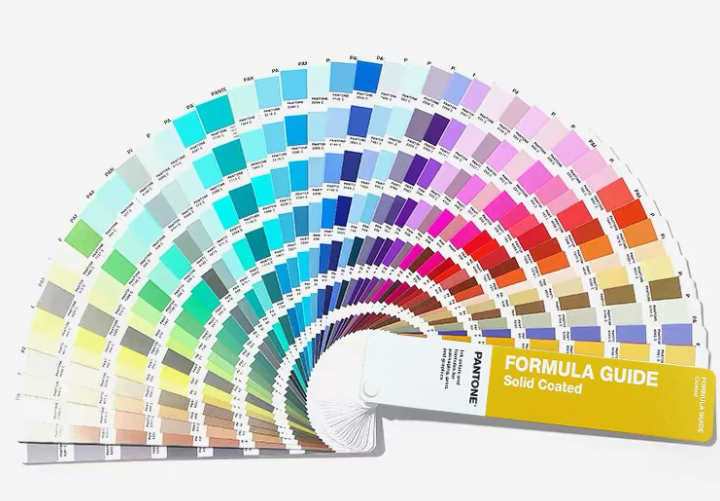
Send the complete code, including its suffix and the guide or system used. Pantone has different systems for graphics and for fashion, home and interiors. In its graphics guides, C refers to coated paper and U to uncoated paper; TCX identifies a cotton textile reference. The suffix is part of the specification, not an optional detail. Pantone: color systems explained.
- If your brand already uses a PMS graphics reference, send it for evaluation. Do not select a different code from a phone screen simply to fill a form.
- If you have a fabric swatch or an approved existing product, agree whether that physical item or the named guide is the controlling reference.
- Do not assume that matching numerical portions across different Pantone systems gives the same target.
- Approve a trial print on the intended fabric before treating a paper-guide reference as an achievable production shade.
For questions about the fabric itself, see our separate guide to fabric color sampling, silver coatings and shade variation.
“Silver” needs more detail than a color name
Changing a white logo to silver may mean a flat gray appearance, a metallic shimmer, a bright finish or a muted finish. These are different visual requirements. Confirm which effect is intended, and approve canopy and pouch results separately if their materials differ.
Pantone’s metallic graphics references show metallic inks on paper; they are not a guarantee of the same appearance on umbrella fabric. Pantone: understanding metallic guides. For an umbrella project, the chosen ink and fabric combination also needs practical checks for adhesion and flexibility. Photographs can introduce highlights that make metallic effects especially difficult to judge.
Do all sample changes require a new printing screen?
No. The effect depends on what changes and how the umbrella is printed. The following examples concern screen-printing preparation; other processes have different setup requirements.
| Requested change | Possible work required | What to confirm first |
|---|---|---|
| Logo size or shape | A new screen is usually needed. | Final dimensions and revised artwork. |
| An additional printed color | Color separation, another screen and registration work may be needed. | Color count and separate canopy/pouch artwork. |
| Ink shade only | Ink mixing and trial printing; a new screen may not be necessary. | Physical color reference and target finish. |
| Print position only | Fixture or positioning adjustment may be sufficient. | Measured reference points and panel placement. |
| Changing an already printed sample | Printed panels or other components may need to be remade. | Which parts can be reused, cost and timing. |
In some of our current screen-printing workflows, preparing a single-color screen usually costs at least RMB 50. Certain sample changes can add RMB 100–200. These are factory experience references in Chinese yuan, not an industry-wide tariff or a quotation for every revision. Actual costs depend on the process, number of colors, materials and extent of the change.
We sometimes absorb part of the revision cost, but this is not a promise of unlimited free sampling. Agree on the work, cost responsibility and revised lead time before proceeding. Our umbrella printing methods guide explains why different processes require different preparation.
A four-step color and sample approval process
1. Freeze the artwork version
Record the file revision and date, actual print dimensions, positioning references and number of printed panels. Specify the canopy, pouch and strap separately. “Approved design” is too vague if different versions remain in circulation.
2. Agree on the physical color reference
Provide a complete Pantone code with the corresponding physical reference, or agree on a physical swatch. State which reference takes priority if they differ. A small fabric or print trial may help settle the color before making another complete umbrella.
3. Match the approval method to the requirement
Use photographs to review layout and videos to discuss overall appearance or opening and closing. Use measurements for dimensions. For critical color or metallic effects, inspect physical samples under agreed lighting. If numerical color measurement is needed, agree on the method and tolerance in advance; there is no single tolerance promised here for every fabric, ink and finish.
4. Retain a clearly identified approved sample
Keep a numbered or signed sample with its approval date and artwork revision. Record any accepted difference from the original color guide. That makes the agreed production target clearer than an informal message saying “the color is fine.”
What should an overseas buyer send before sampling?
- Final artwork file, version number and intended print dimensions.
- Separate placement instructions for canopy, pouch and strap.
- Full Pantone code and system, or details of the physical swatch to be supplied.
- Fabric specification or approved fabric sample.
- Whether the finish should be solid, metallic, glossy or matte.
- Order quantity and the date by which the sample decision is needed.
- The approval method and a written distinction between correcting a defect and requesting a new design.
When a revision is requested, list the approved baseline, the new request, the parts to remake, the agreed fee and timing, and the new acceptance version. Clear records protect both the buyer and the manufacturer.
Frequently asked questions
Can I order custom umbrellas without a Pantone code?
Yes. A mutually approved physical swatch, existing product or available fabric sample can be used. Agree on the reference and acceptable result before production, especially where brand colors are important.
Can CMYK values guarantee the same color on umbrella fabric?
No. CMYK values need defined output conditions, and the fabric and printing process affect the result. Confirm the intended color using a suitable physical reference and a sample on the actual material.
Does a Pantone code replace physical sample approval?
No. It helps identify the target, but paper, cotton and umbrella fabric are different substrates. The agreed fabric or print sample remains important for confirming an achievable result.
Does changing an ink color always require a new screen?
No. A shade-only change may involve ink mixing and testing without a new screen. Resizing or changing the artwork, adding colors or remaking printed parts can require additional work.
Discuss your umbrella color requirements
Send your artwork, complete color reference, quantity and intended material to Hand in Hand Umbrella Factory. We can review the sampling approach and identify the points that need physical approval before quoting the work.
Hand in Hand Umbrella Factory, established in 2000. Business coordination in Guangzhou; production in Taoyuan Town, Heshan, Jiangmen, Guangdong, China. This article records an ongoing sampling experience and does not imply completion of the Kazakhstan order.